


Beyond the Screen: How Agentic AI Will Reshape User Interfaces
As we gear up for 黑料正能量鈥檚 upcoming agentic release, our UX and product teams have been rethinking what intuitive, AI-powered design really means. What happens when software understands intent, acts autonomously, and lets users steer rather than micromanage? In this post, Rosie, our Lead Product Designer, explores how agentic principles are transforming interface design . Read on to find out more about how the user experience of 黑料正能量 has evolved.
How Agentic AI Will Reshape User Interfaces
User interfaces were invented because computers couldn鈥檛 understand us. That is changing.
Large鈥憀anguage鈥憁odel agents now understand natural language, remember context, and can operate software for us. The classic user interface, pages of buttons and menus, will fade into the background into something that captures intent, shows progress, and lets humans steer. So what does that mean for how we will interact with software?
1. Chat is the new command line
Natural language will become the primary input. Instead of interacting with buttons, toolbars and screens, users will be able to ask: 鈥淢ake section 3 align with the new privacy policy and tighten third鈥憄arty security.鈥� It鈥檚 much easier to provide lots of context to an AI by dictating than it is by typing. It's likely that people will start to prompt with their voice instead of typing.
2. The work moves behind the curtain
Rather than micromanaging spreadsheets, videos, code or contracts, users describe outcomes; the agent manipulates the thing you鈥檙e working on behind the scenes. Humans step in to edit for themselves only in ambiguous or high鈥憆isk cases.
3. Multiple Bots, One Chat
Specialist AI agents, for example ones for Research, Editing, Planning or Communication, will work together in the same chat. Each one explains its actions right there in the thread, so you never have to jump to another panel or screen.
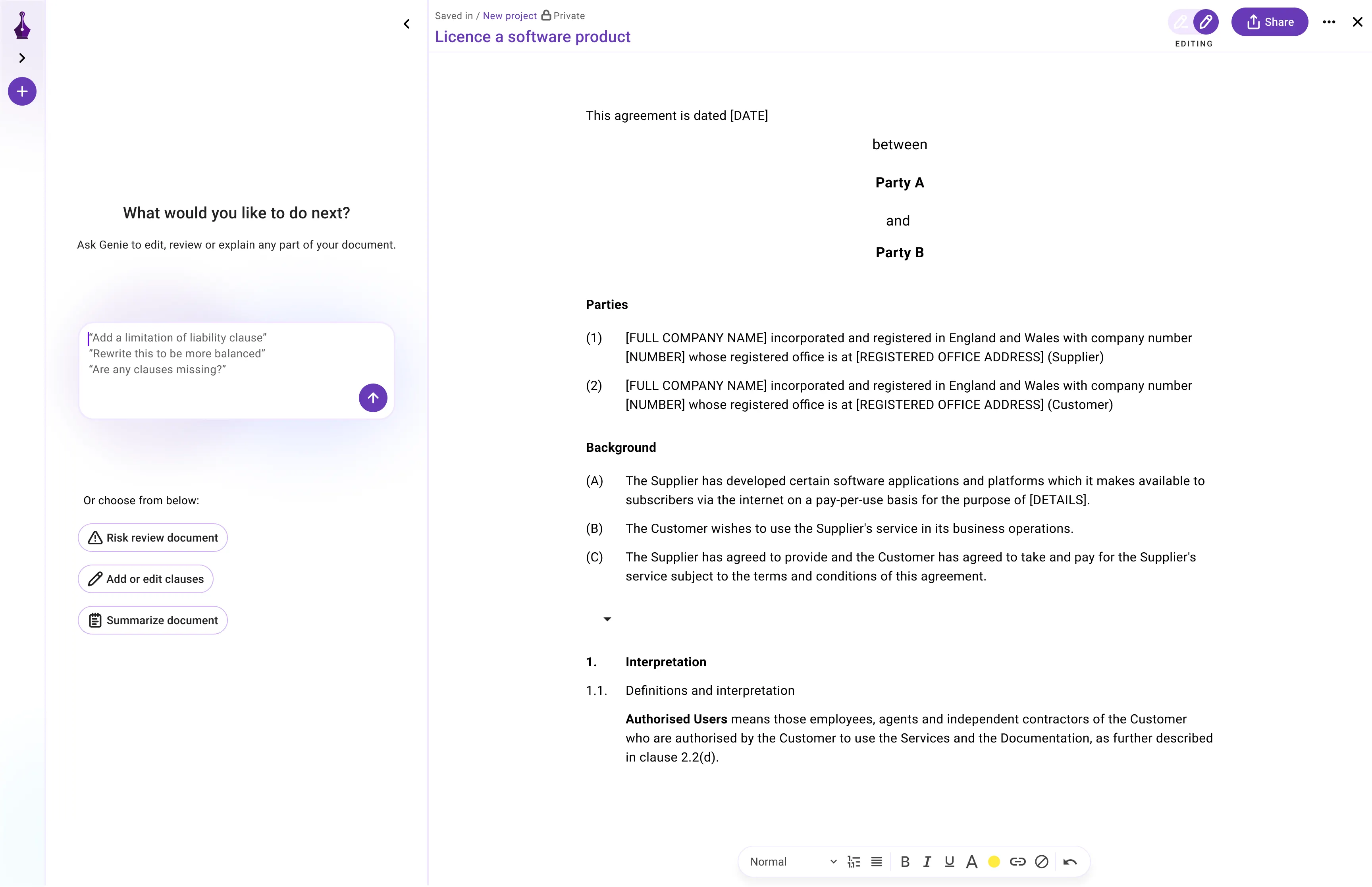
4. Two-panel UI paradigm
A new template is emerging for structuring user interfaces:
Left-hand side:
Chat with agents, citations & thinking
Users can accept / reject or tweak agent output directly in context.
Right-hand side:
Live preview of the generated artefact
Top:
Project information & status
5. Interfaces that vanish
When systems can infer intent from preferences, history and actions, many flows become automatic, or zero鈥憈ouch. Components appear where your eyes rest, then melt away.
Upload a file 鉃� Message shows 鈥淲orking鈥︹�� 鉃� Summary opens with key insights
Food ordering shrinks from ten taps to one. Screens aren鈥檛 dead, they just appear only when needed for confirmation or transparency. Apps will start to feel lighter and less cluttered. Instead of clicking through lots of menus, the right tools will simply show up when you need them and then disappear again when you don鈥檛.
6. Interfaces with a Touch of Magic
The parts of the interface that do stick around are starting to feel a little magical. They don鈥檛 just sit there. They move, adapt, and respond to you, almost like they know what you鈥檙e looking for before you do.
Think of it like this: helpful suggestions pop up right when they鈥檙e useful (not too early, not too late). Buttons and panels appear smoothly, only when needed. Unnecessary stuff stays out of the way, so you can focus. And sometimes, there鈥檚 even a little spark 聽that makes using the app feel fun and rewarding. It鈥檚 the kind of magic that makes tech feel effortless.
Implications for Legal Tech Solutions
AI agents won鈥檛 just streamline individual tasks; they鈥檙e reshaping how people involved in legal work, prevent, find act on risks.
These new tools democratise legal work, empowering business teams to take on more responsibilities. They will also support users to focus less on the details, and more on higher鈥憊alue judgment and strategy.
Intent over interfaces
Users (both lawyers and non-lawyers) can describe the outcome they need (Eg. 鈥淚ncrease protections on our intellectual property鈥�); then the agent decides whether that means redrafting a clause, inserting appendices, or adding a side letter.
Decision dashboards, not a maze of files
Risk scores, open issues, and deal blockers become the primary things to monitor, replacing combing through dozens of documents.
Specialist agents automate legal tasks
Specialist AI agents can take on different legal workflows, while the human remains the decision鈥憁aker. For example, dedicated agents might monitor new legislation and flag non鈥慶ompliant clauses, or suggest fallback language during negotiations.
All of this can be triggered automatically by the agent and can happen in a single chat thread. Each agent appears only when its expertise is relevant, explains why it acted, and offers Apply / Tweak / Ignore buttons 鈥� no extra panels required.
Legal work shifts from manual redlining to agent鈥憁ediated risk management, with UI surfacing decisions rather than every word.
In sum
User interfaces are shrinking. Because computers now better understand your intent and your context, they handle the details for you and bring the user back only for sensitive or high鈥憆isk decisions. In legal, that makes contract red鈥憀ining a brief 鈥渃onfirm or tweak鈥� moment instead of hours of manual edits.
We don鈥檛 know exactly how user interfaces will look in five or ten years, but they are likely to be incredibly different from the ones we know today.
鈥�
.png)
Interested in joining our team?鈥�Explore career opportunities with us and be a part of the future of Legal AI.

%20pp%20(1).jpg)

.png)
.png)
.png)


